Content
How Reversed Text Can Make Word Puzzles More Challenging
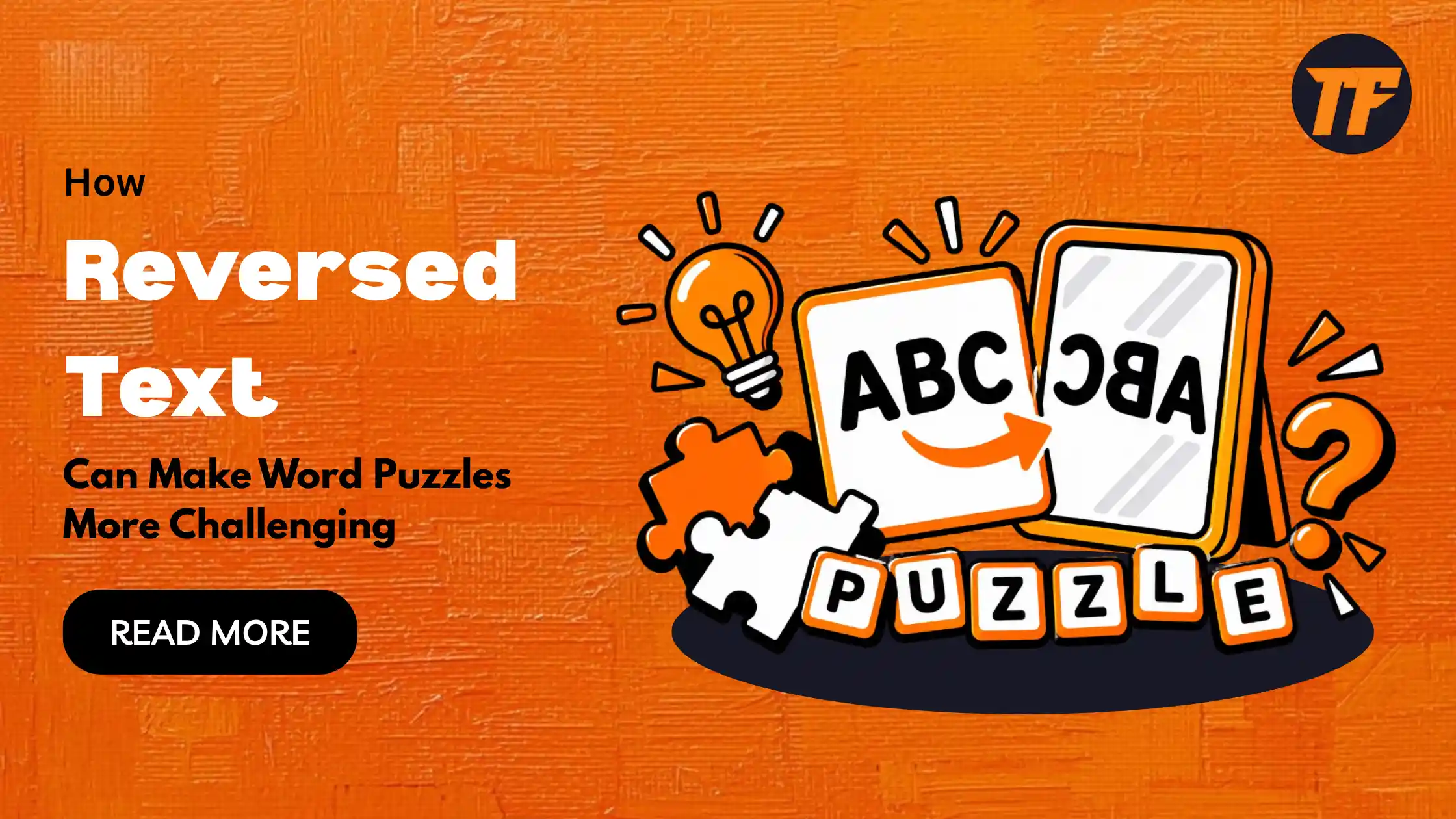
Word puzzles are usually designed to make you think beyond the obvious answer. One simple way to increase that challenge is to change how the words look. Reversed text can make familiar words harder to recognize at first glance, forcing players to slow down and pay closer attention to each letter.
It can also make simple puzzles more interesting without requiring complicated rules or extra clues. When used carefully, reversed text can add a visual challenge while keeping the puzzle easy to understand. In this article, we will look at what reversed text is, how it affects word puzzles, and how to use it effectively.
What Is Reversed Text?
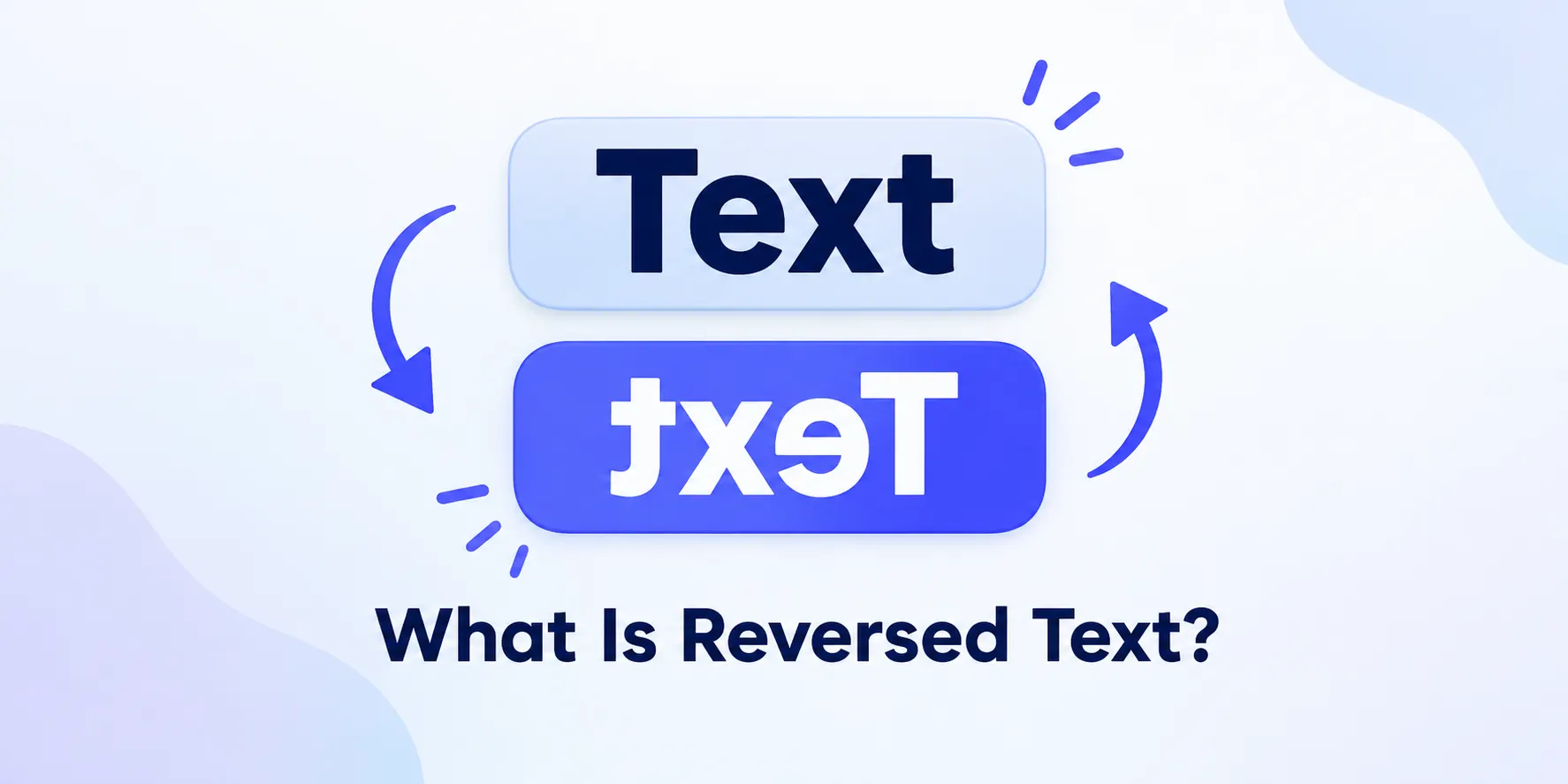
Reversed text is text that has been changed from its normal direction or order. For example, the word PUZZLE can be written as ELZZUP by reversing the order of its letters.
Some forms of reversed text can also involve flipping letters so they appear like their reflection in a mirror. This is slightly different from simply writing the letters in reverse order, but both methods can make familiar words less immediately recognizable.
How Reversed Text Makes Word Puzzles More Challenging?
Reversed text adds another visual step that players need to work through before they can identify the answer. Besides puzzles, stylish and creative types of text can also be useful in business, marketing, and education.
In education, these text styles can help students organize important information, highlight key points, and make their study materials easier to follow. You can read our guide on how to use underlined text for clearer notes and study materials to learn more.
Here are some of the main ways it can increase the difficulty of a word puzzle.
It Makes Familiar Words Less Recognizable
When you see a familiar word written normally, you can often recognize it quickly without focusing on every individual letter. Reversing the text changes its usual appearance, so the same word may take longer to identify.
This makes players stop and examine the letters instead of immediately recognizing the answer. The effect can be useful when you want to make an otherwise simple word search, quiz, or guessing game more challenging.
It Requires More Attention to Letter Order
Word recognition depends partly on the arrangement of letters. In word puzzles, reversing that order makes players mentally rearrange the letters before they can understand the word.
For example, RAET may require an extra moment of thought before a player realizes that it represents TEAR. This makes letter order an additional part of the puzzle instead of something players can process automatically.
Reverse Text Can Cause Visual Confusion
Reversed or mirrored letters can make some characters harder to identify. Letters that have similar shapes or can resemble their mirror images may create additional confusion.
Research on visual word recognition has found that mirror-reversed letters can interfere with normal word processing. This means reversed or mirrored text can give players another visual problem to solve while they are trying to identify the word.
It Adds Visual Distortion When Used With Glitch Text
Glitch text can make reversed words harder to recognize by adding visual distortions to the letters. The extra lines, marks, and symbols can make players spend more time identifying each character and figuring out the original word.
For example, instead of simply showing NOITCARTSID for DISTRACTION, you can use a glitch style such as N̷O̷I̷T̷C̷A̷R̷T̷S̷I̷D̷. This makes players deal with both the reversed word and its distorted appearance, adding another layer of difficulty to the puzzle.
It Slows Down Quick Word Recognition
Normal reading allows experienced readers to recognize many familiar words quickly. Changing the order, style, or orientation of the letters can interrupt this familiar pattern.
For example, a player may recognize FLOWER quickly, but REWOLF takes longer to process. You can also use styles such as 𝓻𝓮𝔀𝓸𝓵𝓯, 𝕣𝕖𝕨𝕠𝕝𝕗, or upside-down text, such asɟʃoʍǝɹ, to make the clue less familiar. This encourages players to spend more time looking at the letters before identifying the answer.
Reversed Text Can Add a Second Layer to Simple Puzzles
Reversed text can make a basic puzzle more challenging without changing its main rules. You can simply change how the words are presented and ask players to decode them.
For example, instead of showing APPLE, you could use ELPPA, 𝓔𝓛𝓟𝓟𝓐, or another reversed text style. Players then have to recognize the word while also working out the text format, adding another layer to a simple puzzle.
It Tests More Than Vocabulary
Players need to know the possible word, but they also need to recognize how the reversed letters correspond to the normal word. This means the challenge involves both language knowledge and visual processing.
That combination can make reversed text useful for word games, classroom activities, brain teasers, and other puzzles where you want players to spend more time examining the clues.
How to Get Reverse Text for Word Puzzles?
Writing reverse text for puzzles can be a little confusing, especially if you are creating lengthy or multiple puzzles. Text to Font can help you generate reverse text instantly for your word puzzles.
Its reverse text maker tool is designed to quickly flip your text into different reversed styles. All you have to do is enter your text, choose a reverse style, and copy the result. It’s a free and easy-to-use tool that can save time when creating challenging word puzzles.
Best Practices for Using Reversed Text in Word Puzzles
Reversed text works best when it adds a challenge without making the puzzle frustrating. Keep these points in mind when creating your puzzles:
Start with familiar words: Use common words when introducing reversed text so players can understand the mechanic easily.
Explain the rule first: Tell players that the words have been reversed before they begin.
Increase difficulty gradually: Start with short words and move to longer or less familiar words as players get comfortable.
Avoid excessive clues: Give enough information to solve the puzzle without removing the challenge.
Mix stylish letters and reversed text: Use both formats together to make the puzzle harder to read and solve.
Try different puzzle types: Reversed text can work in word searches, guessing games, matching activities, and decoding puzzles.
Consider your audience: Younger players and beginners may need shorter words and simpler clues, while experienced players can handle more complex combinations.
Final Words
Reversed text gives word puzzles a simple way to add visual difficulty. It can make familiar words less recognizable, draw attention to letter order, and slow down quick word recognition. When used with clear rules and suitable words, it can turn a basic activity into a more engaging challenge.
The key is to make the reversal part of the puzzle rather than making the text difficult to read. This keeps the activity challenging while still allowing players to solve it through careful observation.
Frequently Asked Questions (FAQs):
Is reversed text the same as mirrored text?
No, they are not exactly the same. Reversed text usually changes the order of the letters, while mirrored text flips the letters themselves.
Why does reversed text make word puzzles harder?
Reversed text changes the way a familiar word normally looks. Players may need more time to recognize the letters and figure out the correct word.
Can reversed text be used in word searches?
Yes, reversed text can be added to word searches to create another challenge. Players can look for words written in reverse instead of only searching for normally written words.
Is reversed text suitable for children’s puzzles?
Yes, it can be useful for children when the words and difficulty are appropriate for their age. Start with short and familiar words before introducing longer ones.
How can I make a reversed text puzzle more difficult?
You can use longer words, less familiar vocabulary, or combine reversed text with other puzzle mechanics. You can also remove some clues so players have to rely more on the letters themselves.

Admin
Admin is a professional and creative specializing in the latest stylish font styles for social media and brand promotion. With a passion for modern typography and digital trends, Admin helps users create eye-catching text that stands out online.